
Randy's Choice: Shelter from Rain, Bugs, Sun and Wind for Sandbar Camping
- Randy Reek, The Great Out There

- Feb 7
- 3 min read
Updated: Feb 9
Camping on a riverside sandbar is scenic and restful - but requires unique shelter choices.
I love hammock camping in the Northwoods whether backpacking, bikepacking, or canoe tripping. In the deep woods, sometimes it is a REAL challenge to find a dry, level spot that is big enough for a single sleeping pad! And yet there are BILLIONS of handy trees everywhere to provide a warm and dry hammock camp with the promise of a restful recovery after a day of adventure.
But this changes when my travels take me to the prairies, desert Southwest, or river sandbars. In these cases, my hammock and bug net combo may become a ground "bivy".

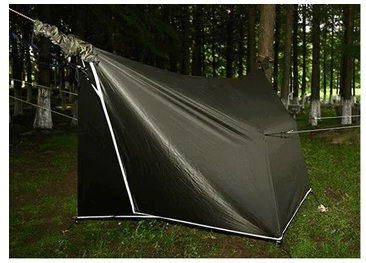
Sandbar camping is a great alternative to the dense forest. When I have the chance to enjoy a multiday canoe or kayak trip on a wide river I choose to erect my "hammock tarp" between two light poles. Then I suspend an ultralight bug net underneath.
This accomplishes two goals. First, I can erect the tarp in a few minutes when rain is threatening. I can relax or cook or escape the rain or scorching sun under the spacious tarp. Camping out from the edge of the forest allows me to enjoy the downriver breeze and helps minimize clouds of mosquitos.

The tarp also serves as a windbreak to help concentrate the output of my Thermacell when plagued by mosquitos or black flies. In calm weather, I can sleep on my air mattress under the tarp.
But in dense bug hatches I hang a bug net under the ridge line. I am 100% protected from flying insects and any crawling ants, spiders or snakes by the bathtub floor. I can pitch the tarp high for optimum ventilation in steamy weather - or low, with the "doors" closed in a storm.
This combination of the "tarp with doors" and a separate bug net provides maximum flexibility and maximum protection as my preferred shelter for sandbar camping.
Canoe or kayak tripping gives me the advantage of carrying capacity to pack two light tent poles. Of course, if my sandbar campsite offers handy trees, I might not need any poles and just string my ridgeline from tree to tree.

Most hot and humid summer nights require camping out from the tree line for better air circulation. Carrying two tent poles is the simplest remedy for the most comfortable sandbar camping shelter - even if I need to forego my preferred hammock!
The ultralight bug net is suspended from the tarp ridgeline. The first thing I do when reaching my selected campsite is erect the tarp. I can hang the bug net and lay out my sleeping pad and bedding later, after dinner, fishing, or an evening swim!

As Summer turns to Fall, there are days when the bug net becomes unnecessary - especially with the prevailing breeze flowing down the river. But I rarely leave home without packing a bug net for either ground camps or hammock hangs - better to Be Prepared!
Most campers automatically choose a dome tent for their shelter. But I have found that tarp camping is the most comfortable. I can pitch the tarp high enough to stand under. The tarp can be pitched quickly any time a storm threatens. It is infinitely more comfortable to sit out a thunderstorm under a tarp that inside a small tent. Sometimes it is the wind that you need shelter from - or the relentless Sun.
I have camped many nights under a basic square tarp. But the larger "tarp with doors" only weighs an ounce more and offers greater versatility. The addition of the suspended bug shelter completes the system - which is my choice of shelters for sandbar camping. It is equally adaptable for camping on the treeless prairies and desert - where wind is often the main opponent to preparing a camp meal or a good night's sleep! Even if a storm arises in the middle of the night, it takes only a minute to close the tarp doors and get back to sleep!
Have you tried tarp camping? Would you like to enjoy a more versatile shelter for sandbar camping, or the plains or forest? Consider the combination of the lightweight tarp AND bug net described here. Leave your comments below. And SUBSCRIBE to the GreatOutThere.online blog for more outdoor content!


Comments