
WHY Did I Replace my UTV With the Mahindra Roxor?
ROXOR: No UTV can compare!
The 2026 Mahindra Roxor draws stares and comments wherever I drive. There is an unmistakable connection to the iconic Willys MB Jeep of the World War II era.
Following the war, economic recovery demanded a rugged and inexpensive utility vehicle in Asia. In 1947 Willys-Overland, based in Toledo, Ohio granted an official license to the Mahindra Group to manufacture the MB "Jeep" in India. Over the decades since, Mahindra has manufactured various iterations of these vehicles for the Indian market, and currently distributes the "Thar" to both civilian and military markets.
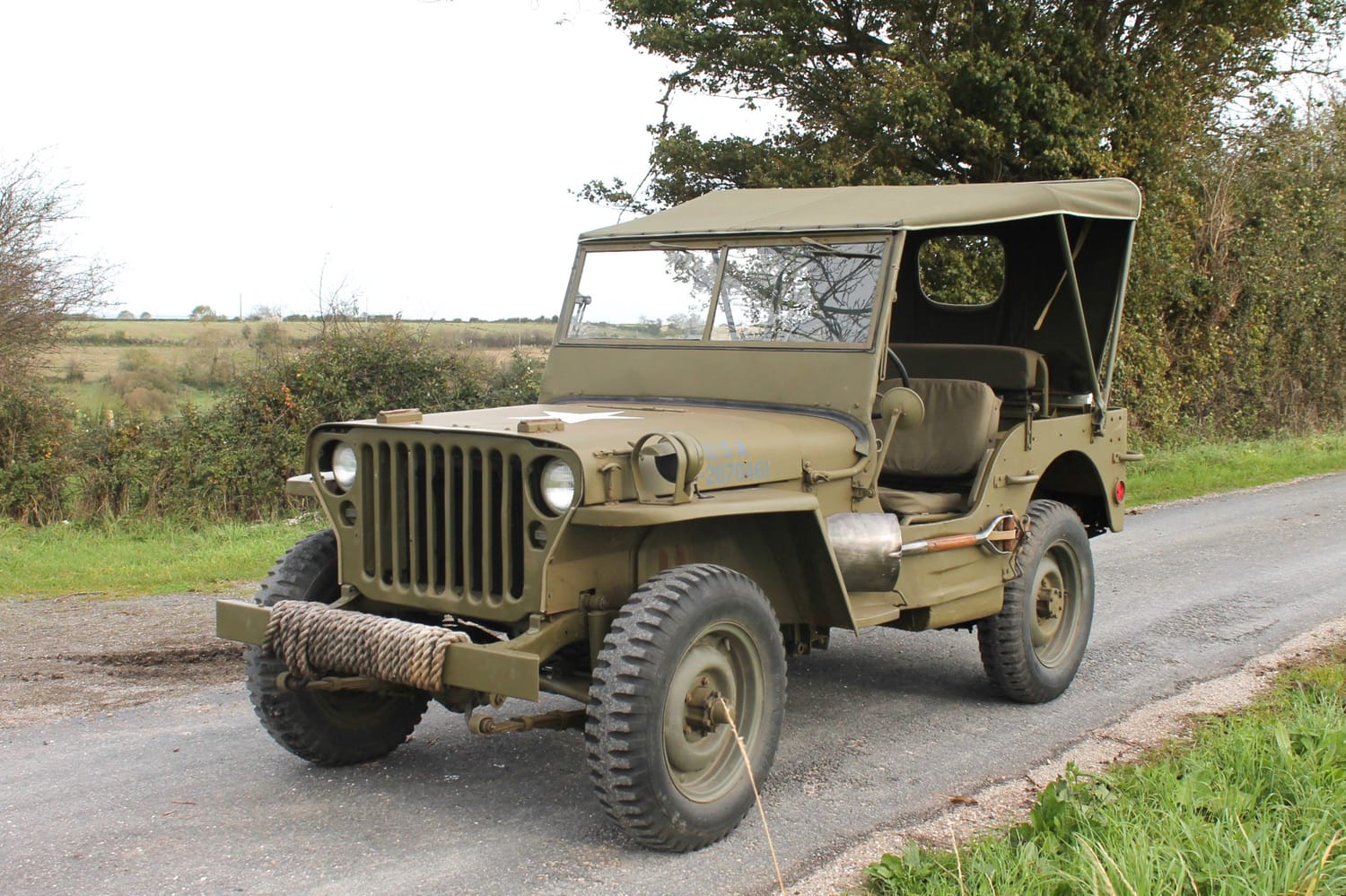
The heritage of the Roxor UTV is the Willys MB "Jeep"
Actually, the current Mahindra Roxor is more closely comparable to the old AMC (the defunct American Motors) Jeep CJ5 and CJ7 of the 1970's. This was before Chrysler-Jeep replaced the original, indestructible leaf spring suspension with more "modern" coil springs on the front axle.
To read more about the history of the original Willys MB Jeep and the connection to manufacturing the licensed duplicate model by Mahindra in India, please also see this related Part One article in this series: Click HERE.
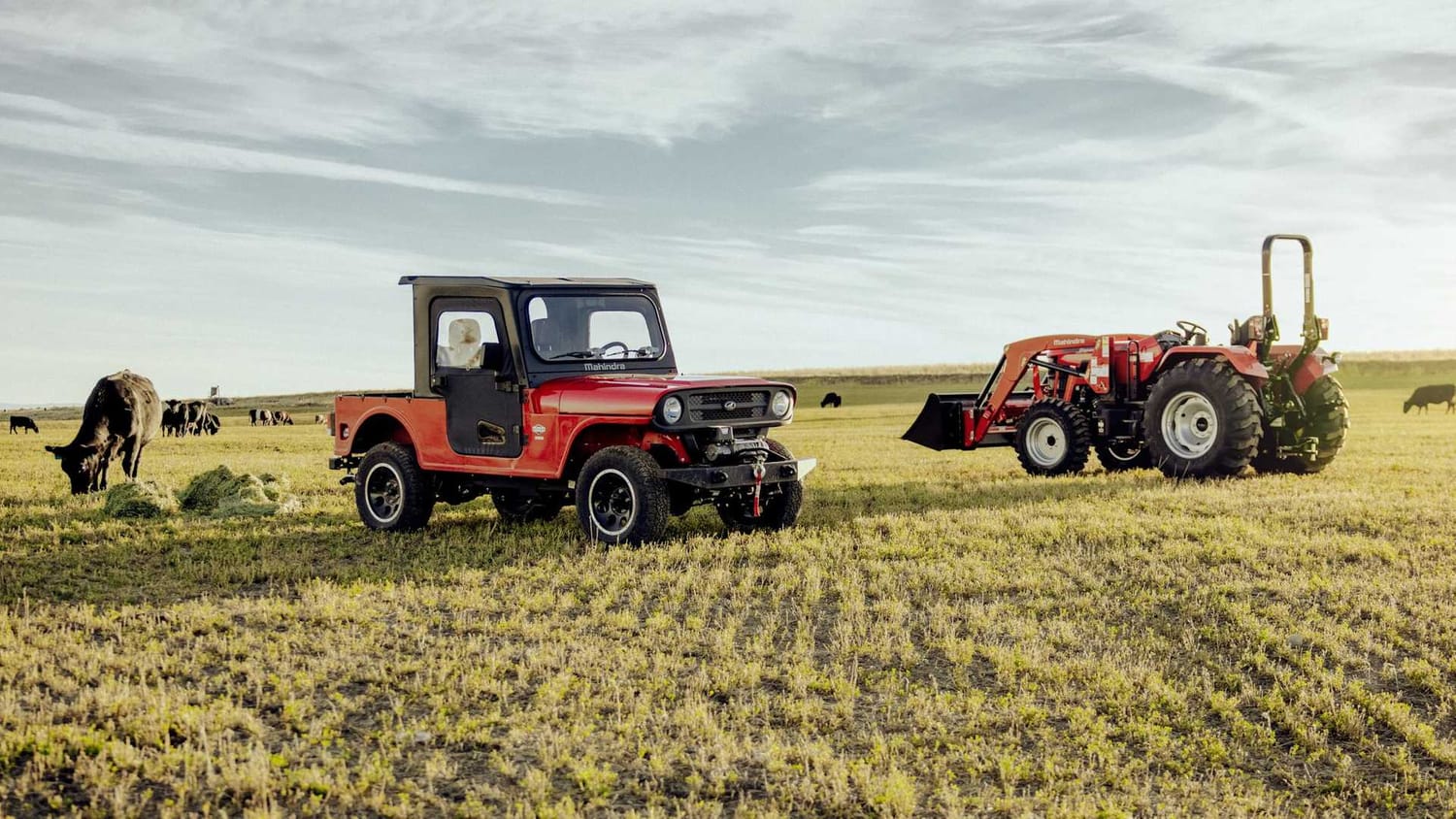
The heart of the Roxor UTV is a Mahindra turbo diesel engine!
The Roxor "UTV" is not a Willys or a Jeep.
After building inexpensive and economical "Jeeps" for 70 years, in 2018 Mahindra entered the U.S. off road market with the Roxor "utility vehicle".
The Roxor is assembled and sold in the U.S. market as an off road utility vehicle.
Mahindra did NOT introduce the Roxor as a competitor to the Jeep brand. The Roxor is sold as an alternative to other off-highway utility and sport side-by-sides. It has steadily gained loyal owners who have sought a more powerful, rugged and versatile UTV as a tool for agriculture or industrial settings and ALSO outdoor recreation.
As a former Jeep owner, I was immediately drawn to the Roxor. But I watched and waited - and bought and sold several ATVs and side-by-sides. My ATVs were mainly used for slow trail riding and hunting. Rarely did I exceed 20 miles per hour. Most trail riding was closer to 5 MPH! When you did hit a paved road for a short stretch, the ATV would begin to lose control as the soft, low pressure tires started throbbing over 20 MPH!
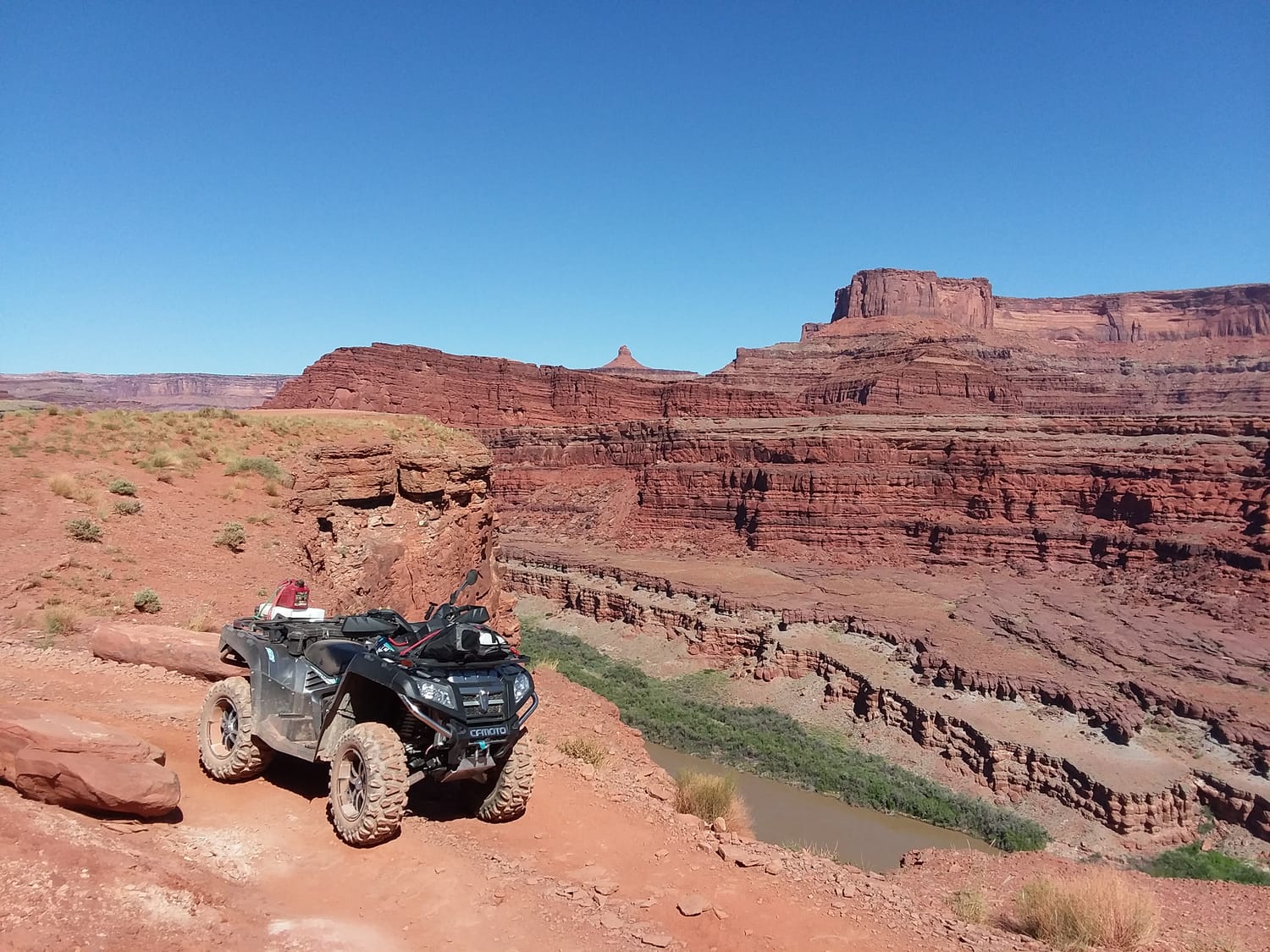
My ATV has explored the toughest trails in Moab!
Then I got into "overlanding" and adventure motorcycling. By truck, motorcycle, and UTV I was able to explore the backcountry and stay out for days or weeks. Dual sport "ADV" motorcycles and UTVs allowed exploration beyond what was economically and physically possible with big, heavy 4x4's.
Overlanding sometimes involves difficult trails that require four wheel drive. But the majority of miles can be covered in two wheel drive (or ONE wheel drive on a motorcycle!)
For a while, I thought I could satisfy my wanderlust with a side-by-side. It cost no more than a fully-equipped adventure motorcycle, but was infinitely more capable of carrying camping gear - and never needed to pick it up after tipping over in the sand or getting stuck in mud!
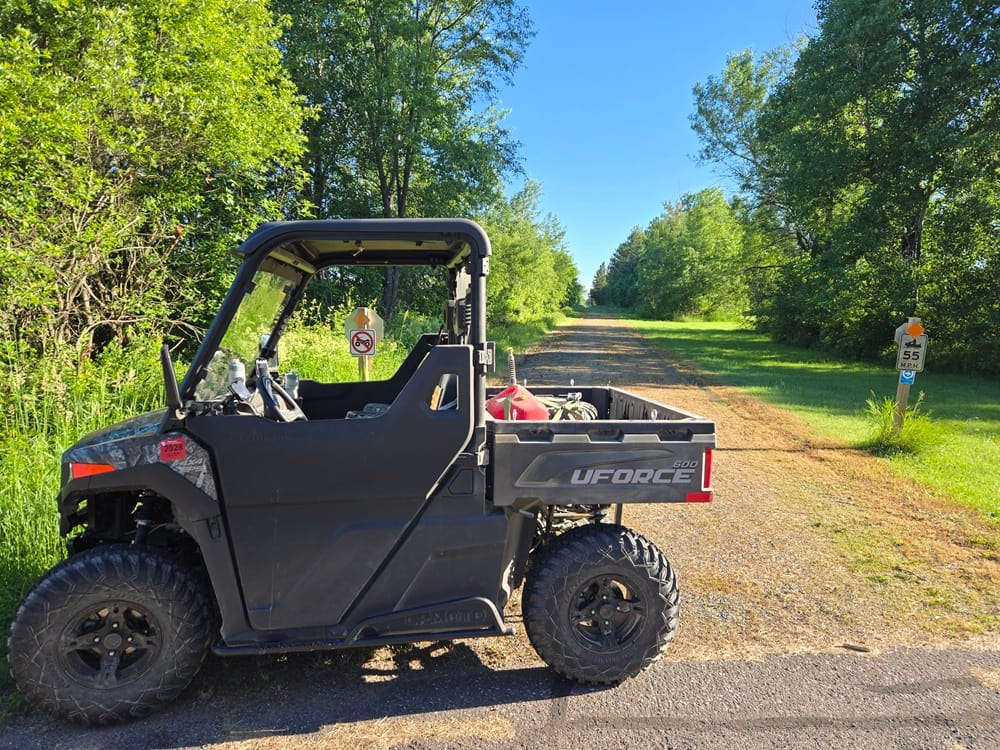
UTV Overlanding is HIGH maintenance!
But my UTV could not overcome the limitations of its drivetrain.
Side-by-sides, UTV and ATVs all share the same drivetrain designs. The motor drives power through a centrifugal clutch and a rubber belt.
Although most trail riding is at slow speeds, now that rural roads have been opened to UTVs, many adventurers like myself have taken to extended "overlanding" trips. This inevitably includes many miles on rural gravel roads and short stretches of pavement.
I have owned MANY ATVs, UTVs, and snowmobiles - ALL powered by CVT clutches and drive belts. The average owner might only log a few hundred miles per YEAR. My last UTV overnight trip logged 200 miles in two days - and that was leaving home after 4:00 PM and arriving by noon the next day. 200 miles per day on farm and forest roads is EASY in a UTV!
Several aftermarket drive belt and clutch specialists confirmed that sustained, high speed driving is the WORST thing you can subject a CVT to. The CVT clutch is a complicated assembly of smooth aluminum pulleys, springs, levers, rollers, and bearings. At sustained high speeds, the rubber belt can get so hot that it grinds a groove in the clutch plates - that is, if it doesn't explode first!
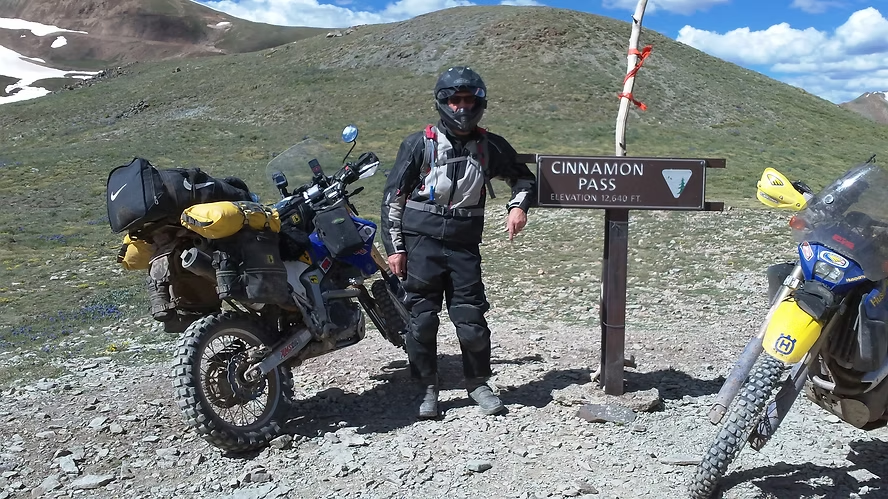
I wanted to replace my ADV motorcycle for 1,000 mile adventures!
Standard UTVs are NOT designed for extended overlanding!
UTV manufacturers have engineered forced air vents to dissipate heat. But the CVT relies on friction: the belt must GRAB the polished smooth clutch plates. Running an ATV all day on a trail never generates the destructive heat of 30 minutes at 50 MPH.
Recently, a UTV driver posted a video of his 3,000 mile overland adventure. The ride required FIVE drive belts. 1,000 miles per belt is optimistic, unless you are only riding a few miles per day around the farm.
An aftermarket clutch specialist recommends disassembling your clutch every 200 miles, cleaning both the clutch plates and drive belt. Replacement clutches are typically installed within 3,000 to 5,000 miles of operation - unless you ride aggressively. Then you might "spin" your drive belt and burn a clutch within a few hundred miles.
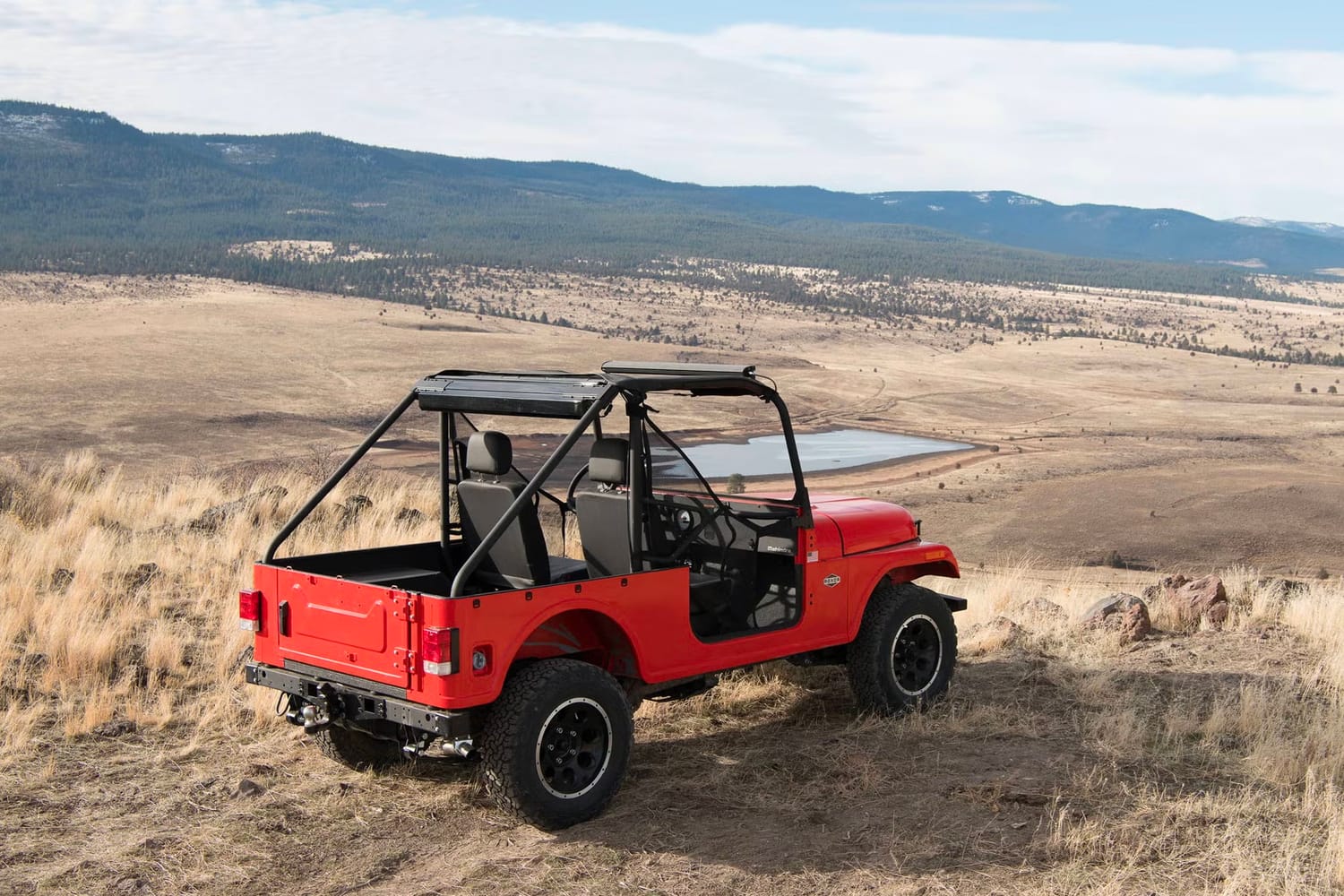
The Roxor UTV should be maintenance FREE for YEARS!
The Roxor is unlike any work or sport utility vehicle on the market. It is a hybrid that splits the categories of Jeeps and UTVs - with the best features of both!
With my UTV, replacing the drive belt ($150 retail) required the removal of body panels, removing the driver's seat, removing 10 bolts on the belt cover, and special tools to disassemble the clutch drive. In perfect conditions in my workshop, this takes over an hour. On the side of the trail, in the mud it would take at least two hours.
Replacing the clutch would cost over $1,000 - plus labor at the UTV dealer.
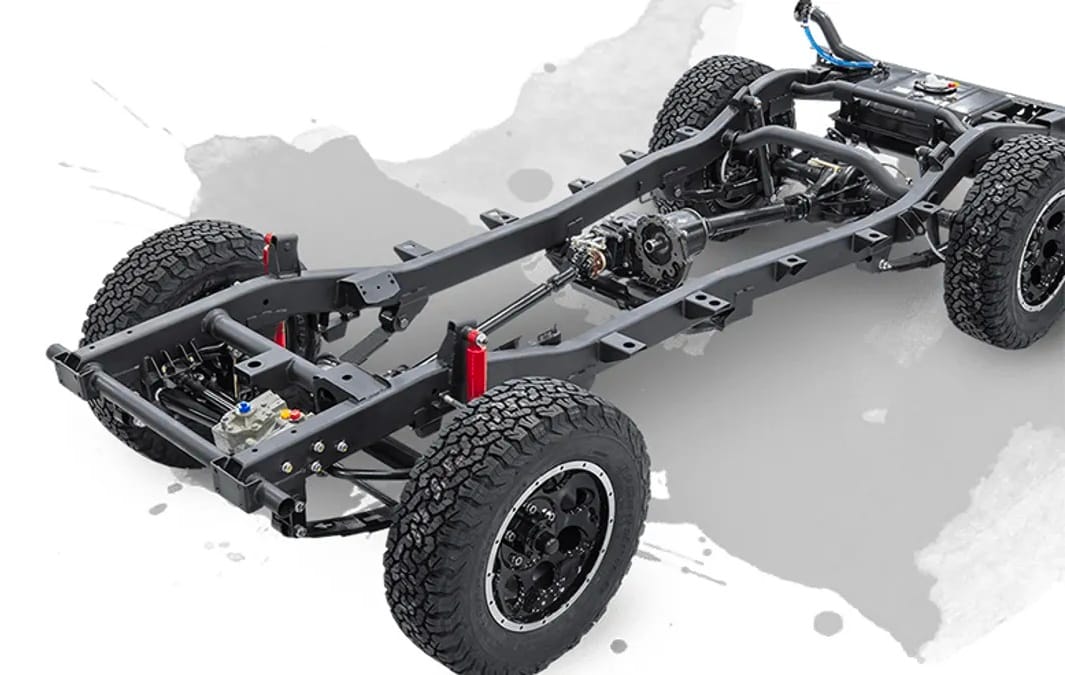
The Roxor UTV has NO belts or chains in the driveline!
In contrast, the Mahindra Roxor is still manufactured with a basic 5-speed manual transmission, linked to a 2-speed gear-driven transfer case. NO belts, pulleys, or chains. In one-the-road vehicles, this combination requires nothing more than maintaining fluid levels for over 100,000 miles of trouble-free operation!
Other UTVs are toys compared to the Turbodiesel Roxor!
Other UTVs are powered by motorcycle (or lawn mower) engines from 500cc to 1000ccc but the Roxor is supplied with a 2.7-liter turbodiesel engine! While my last UTV ran at 5,000 RPMs, the Roxor loafs along at 2,500 RPMs or less over the same roads. I averaged about less than 20 miles per gallon, while the diesel Roxor averages over 30 MPG!
The UTV engine takes less than 2 quarts of oil and needs to be changed every 1,000 miles. The Roxor diesel engine holds 7.4 quarts (7 liters) of oil and needs to be changed every 5,000 miles! (or once per year).
My local Mahindra dealer has tractors in the field with over 10,000 hours of trouble-free operation. If you averaged ONLY 10 miles per hour, that translates to a 100,000 mile engine! Industrial Roxor owners have documented similar results:
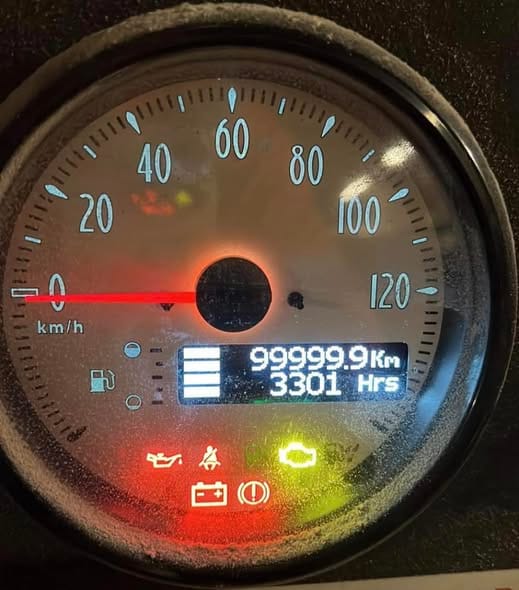
100,000 Kms (60,000 miles) in Canadian mining operations!
No side-by-side can match the Roxor UTV!
This is the level of dependability that I REQUIRE for my overland "dream trips" of 1,000 miles and more!
While other "UTVs" have a light frame and plastic body panels, the Mahindra Roxor is assembled with steel body panels over a boxed steel frame. This frame is designed for a front winch, and requires only an inexpensive mounting plate for installation.
UTVs ride on soft tires designed for sand and mud but the Roxor is delivered with steel wheels and radial truck tires that can handle fields and farm roads. The Roxor is also equipped with power steering! (The next article in this series will cover an upgrade to larger off road tires, aluminum wheels, plus a spare tire!)
UTVs ride on light coil spring suspension designed for rough trails, connected to comparatively frail axles. As shown above, the Roxor relies on massive drive shafts, solid axles and long leaf springs which are proven to be most durable over many decades of off road abuse and farming applications.
This very short video highlights many of these Roxor features (Note that the engine has been upgraded from 2.5L to the new 2.7 liter version):
One more HUGE advantage of the Roxor over UTV and side-by-sides is the steel body - including the firewall separating the engine from the passenger compartment.
Unbearable heat in the passenger compartment (plus engine noise) is the Number One complaint of UTV owners. The Roxor eliminates this problem because it shares the same body as the original Jeeps! There is NO engine heat radiated up through the seats! And you can drive a conduct a conversation!
The engine compartment also places the HUGE Roxor air filter up front, above the tires instead of behind the cab of other UTVs - where it continuously sucks in dust and weed chaff.
This article is Part Two. In the next article I will start the transformation on my new Roxor into a capable overlanding vehicle, including the installation of a LONG list of accessories!
What do you think? Would a Roxor meet your off road and overlanding requirements. Or is a lighter, more nimble SXS a better match.
Please follow The Great Out There on Facebook and Instagram, Pinterest and YouTube - then leave your comments. Share with your friends. Subscribe to our channels for guaranteed access to future Great Out There content!!!

Recent Posts